
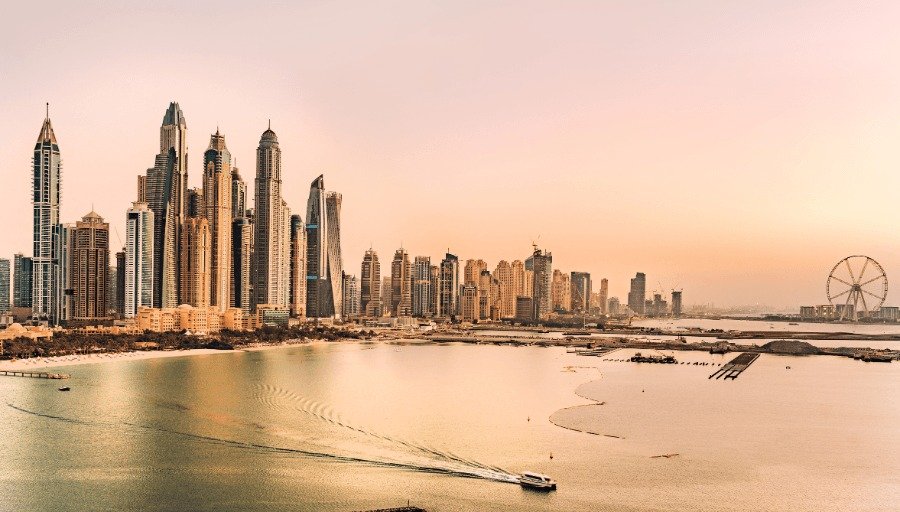
The UAE real estate market is one of the most dynamic in the world, attracting global investors, expatriates, and homebuyers. With its iconic skyline, luxury communities, and strategic business hubs, choosing a prime real estate location is critical to maximizing both lifestyle and investment returns. Selecting the right location involves considering multiple factors, including accessibility, amenities, property value growth, and future development plans. This guide explores key considerations for choosing the best real estate locations in the UAE in 2025.
1. Define Your Investment Goals
Before exploring locations, clarify your real estate investment goals. Are you purchasing a property for personal use, rental income, or long-term capital appreciation? Luxury apartments in Dubai Marina may yield high rental returns, whereas villas in Abu Dhabi’s Saadiyat Island could offer long-term value growth. Understanding your goals will determine the type of property and neighborhoods you should focus on.
2. Research High-Demand Areas
High-demand areas typically provide better investment security and liquidity. In Dubai, locations like Downtown Dubai, Palm Jumeirah, Business Bay, and Dubai Marina are highly sought after for both residents and investors. In Abu Dhabi, areas such as Al Reem Island, Saadiyat Island, and Al Maryah Island offer luxury living and proximity to key business districts. Emerging communities like Mohammed Bin Rashid City and Dubai Creek Harbour are gaining popularity due to affordable pricing and modern infrastructure.
3. Evaluate Infrastructure and Connectivity
A prime real estate location must have excellent infrastructure and transport connectivity. Consider proximity to metro stations, highways, airports, and business hubs. Easy accessibility not only enhances convenience but also increases property value over time. For instance, properties near Sheikh Zayed Road in Dubai often maintain strong resale value due to their connectivity and central location.
4. Consider Amenities and Community Facilities
Communities with comprehensive amenities attract buyers and tenants alike. Look for areas offering:
- Schools, hospitals, and shopping centers
- Parks, gyms, and recreational facilities
- Gated communities with security services
- Public transport and taxi services
A location with rich amenities ensures a higher standard of living and makes the property more appealing for long-term investment or resale.
5. Analyze Property Appreciation Trends
Property appreciation is a key factor in selecting prime locations. Historical data shows that Downtown Dubai and Palm Jumeirah properties consistently demonstrate strong capital growth. Emerging areas such as Dubai South or Aljada Sharjah may offer moderate prices now, but potential for future appreciation. Analyzing past growth trends and upcoming development projects will guide smart investment decisions in the UAE real estate.
6. Check Local Development Plans
Government-led development projects often increase property demand in certain areas. Keep track of future infrastructure, commercial hubs, and public amenities planned by municipal authorities. Locations near upcoming metro lines, malls, or cultural centers tend to see increased property values, making them ideal for long-term investments.
7. Understand Freehold and Leasehold Zones
Foreign buyers should be aware of freehold and leasehold regulations. Freehold areas allow complete ownership of land and property, while leasehold zones permit long-term usage rights, often up to 99 years. Freehold zones are generally more attractive for investors due to easier resale and full ownership rights. Dubai and some parts of Ras Al Khaimah, Ajman, and Sharjah have designated freehold areas for foreign investors.
8. Consider Rental Demand
For investors, rental demand is a major factor in determining prime real estate locations. Areas with high demand for rentals, like Dubai Marina, Business Bay, and Downtown Dubai, provide better returns. Proximity to offices, schools, and leisure attractions increases rental occupancy rates, ensuring steady income for property owners.
9. Assess Safety and Neighborhood Quality
Safety and neighborhood quality affect both lifestyle and property value. Choose areas with low crime rates, well-maintained roads, and reliable utilities. Communities with a strong reputation for safety, such as Al Barsha, Jumeirah Lake Towers, or Saadiyat Island, attract families and investors looking for stable long-term returns.
10. Compare Property Prices and Affordability
While prime locations often carry higher prices, it’s important to evaluate affordability in relation to your budget. Compare real estate prices across multiple neighborhoods, considering factors like property type, size, and amenities. Balancing price with location advantages ensures both lifestyle satisfaction and investment growth.
11. Consult Licensed Real Estate Agents
A licensed real estate agent can provide invaluable insights into local market trends, property values, and neighborhood specifics. Agents can also guide you through legal processes, verify property titles, and suggest areas with the best potential for capital appreciation. Working with a RERA-certified agent ensures transparency and reliability in property transactions.
12. Inspect the Property and Surroundings
Physical inspection is crucial before purchasing. Evaluate:
- Construction quality and finishes
- Neighborhood ambiance and community upkeep
- Noise levels and proximity to commercial zones
- Available parking and security arrangements
A thorough inspection helps avoid future surprises and ensures that the property meets your expectations.
Frequently Asked Questions (FAQs)
Q1: What defines a prime real estate location in the UAE?
A prime location combines high connectivity, strong amenities, safety, and historical property appreciation, attracting both residents and investors.
Q2: Can foreigners buy property in prime locations?
Yes, in designated freehold areas across Dubai, Abu Dhabi, and other emirates, foreign investors can purchase property with full ownership rights.
Q3: How do I check future development plans in a neighborhood?
Government websites, municipal development authorities, and licensed real estate agents provide information on planned infrastructure, commercial projects, and public amenities.
Q4: Which areas in Dubai have the highest rental demand?
Downtown Dubai, Dubai Marina, Business Bay, and Palm Jumeirah consistently show high rental occupancy and strong yields.
Q5: Should I focus on emerging areas or established neighborhoods?
Emerging areas offer lower entry prices and potential future appreciation, while established neighborhoods provide stability, existing amenities, and higher immediate rental demand.
Q6: Do community amenities affect property value?
Yes, locations with schools, hospitals, shopping centers, parks, and security services tend to retain higher property values and attract tenants more easily.
Conclusion
Choosing prime real estate locations in the UAE requires careful analysis of infrastructure, amenities, historical trends, and investment goals. High-demand areas, excellent connectivity, safety, and comprehensive community facilities are key factors to consider. Whether you are a homeowner seeking the perfect residence or an investor targeting long-term returns, understanding these factors ensures a smart decision.
The UAE continues to offer a diverse and thriving real estate market, with opportunities in both established and emerging areas. By researching, consulting experts, inspecting properties, and evaluating future growth potential, buyers can confidently select locations that balance lifestyle and financial benefits in 2025 and beyond.
Investing in prime locations guarantees not only a comfortable living experience but also long-term property appreciation and rental income, making it a cornerstone strategy for successful UAE real estate investment.





Join The Discussion